
Posts by themeadmin
Ocean View Hotel Rooms vs. Standard Rooms: Which Is Worth It?

When you book a beach hotel almost always this question arises. Is the sight of the water worth an additional cost, or is it better to spend money elsewhere? There is no single correct answer, and it is more dependent on your trip than on your hotel. Do it right and that’s the best part of the entire stay! Make a mistake and you end up paying for curtains you don’t use. This guide explains the actual meaning of the room names and the additional cost you pay, and how you can make your own decision for your trip. What Does “Ocean View” Actually Mean? Hotel room names sound precise, but they very often are not. Two hotels can use the same label for two very different views. Oceanfront usually means the room faces the water directly, with nothing at all in the way. The ocean view is looser than that. The sea is visible, but possibly at an angle, or past a pool and a row of palms. Partial ocean view is the one to treat with real caution. Sometimes it means a lovely corner view. Other times it means leaning right out over the balcony rail to catch a narrow slice of blue between two buildings. Standard rooms go by plenty of names too. Garden view, resort view, city view, and mountain view are all common. Some of those are really pleasant. A few are a polite way of saying the parking lot. How Much More Will You Really Pay? Additional costs are usually not fixed and can differ significantly. It changes according to the seasons, the day of the week and the occupancy of the hotel. The difference between an ocean front room and a standard room can be significant in the summer season, or on a holiday weekend. Midweek in the quieter months it often shrinks to something quite small. That’s more important than people think. A view that feels like an indulgence in July can be a very fair deal in October. Work it out each night and then over the period of stay. A small difference in nightly rates can really make a difference over the course of a week. Then compare that total to what else it could pay for. It’s worth considering a fantastic meal at a restaurant, a cruise or another night spent elsewhere. How Much Time Will You Spend in the Room? This is the question that decides it for most people. Be honest with yourself before booking anything. If the plan is to leave after breakfast and get back after dark, a view does very little. You will mostly see it through the dark, or with the blinds shut while you sleep. A family running between the beach, the pool, and the boardwalk all day is usually better off saving the money. A slower trip is a very different thing altogether. Coffee on the balcony at sunrise, an afternoon reading with the doors open, or a glass of wine at sunset all turn the room into part of the holiday. Honeymoons and anniversaries fit very neatly into this group as well. So does a trip where somebody needs to rest a lot, since the view keeps them company. Floor, Direction, and the Balcony Two rooms that share the same name can be entirely different. The vast majority of that difference is due to a few details. The first thing to consider is height. Further on higher floors, and above the tops of dunes, beach umbrellas and trees. The lower floors are closer to the waves; a hedge or pool bar can make a lot of difference. Direction matters too. You can see the sunrise over water from the east facing coast. On a west-facing coast you have the sunset and most people enjoy it just because they are awake to see it. Next, determine if the room actually has a balcony. A few ocean view rooms have a window which is not designed to be opened. Often the real reason for the view is a balcony, even though it may be small. The Downsides Nobody Mentions An ocean view room is not perfect, and a couple of drawbacks catch people out. None of them are deal breakers, but they are worth knowing about. Light is the first one. East facing rooms fill with bright sun very early indeed, so check that the curtains are properly blackout. Noise is another. Some people find the waves soothing at night, while others lie awake listening to them. Beachfront rooms can also sit above a busy road, a beach bar, or a pool deck with music playing late. Wind and salt air come with the territory as well. Balcony doors are often harder to leave open on a breezy day. Sand gets carried in on everything, however careful you are. Families with small children should also look closely at balcony railings on higher floors. Does the Season Change the View? What you see from a particular room can vary significantly throughout the year. When you are planning to travel, it is good to consider it. The summer season is generally the time for calm waters, long evenings, and lots of time to be outside on the balcony. However some coastlines experience morning fog early in the Summer, which can obscure the sea until lunch time. Winter tends to be more calm, but with coarser water and larger, dramatic waves. Plenty of people find that the most memorable view of all, especially from a warm room with a hot drink. Storm shutters can also be closed for a day or two during hurricane season. Check with the hotel what the view normally looks like on the dates you will be staying. When Is a Standard Room the Better Choice? A standard room is not a lesser choice, and it is very often the smarter one. Plenty of seasoned travelers book them on purpose. They are usually cheaper, and frequently quieter too, since…
Read MoreWhy Oceanfront Hotels Are Worth It: Benefits of Staying by the Ocean
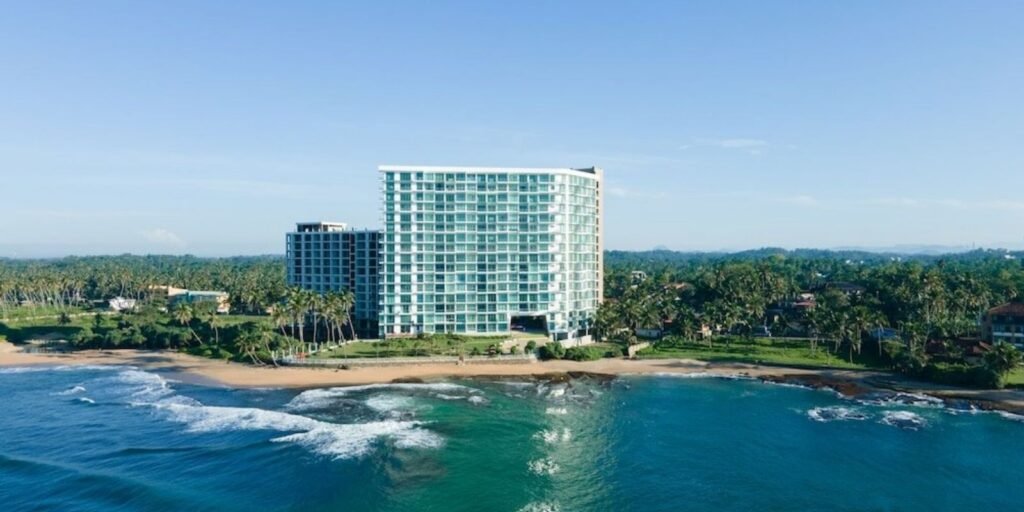
Waking to the hush of waves has a way of shifting something inside. Pick a hotel facing the water, and it’s less about bedsheets, more about tempo. Most people travel because the grind—endless alerts, engine noise, hurry—wears them down. Stand where sand meets tide, and the whole picture tilts. True, rooms with salt air views cost more than those buried blocks inland. Yet what you gain isn’t listed on any invoice—it shows up in stillness, slow breaths, and moments without demand. The Sound of the Natural World Inside your ear, something remembers the sea. Waves rolling in and pulling back create a steady sound—research links this rhythm to reduced stress hormones and quieter nerves. Standing close to shore means living inside that flow without trying. Calm arrives whether you invite it or not. Midnight wraps around the city like a held breath—sirens cut through now and then—but beyond it all, waves keep time without rush. Their rhythm slips under doors and into bones, slowing thoughts until they fade. Outside your door, salt air waits on stone steps, just past glass. Water moves there, always moving, never asking anything back. Uninterrupted Visual Peace Out there, beyond the edge of land, lies a boundary that calms the mind. Most days bring visual noise—buildings pressing close, glowing rectangles stealing attention, stuff piled in corners. But near the shore, sight stretches wide across liquid motion. Dawn might paint ripples in pale pinks one morning; clouds could drown everything in gray tones the next. Each moment reshapes what you see. Out there, space stretches so far it clears your head. Watching waves roll in pulls thought loose from tight routines. Just staying still by the water holds a quiet sort of liberty. Nowhere else needs you when the ocean keeps moving on its own. The Ease of Access Staying right by the sea cuts out extra steps. Anyone who has taken kids along—or just wants more free time—understands how tricky beach trips get. Getting there means hauling stuff, dealing with parking, walking over uneven ground. All that wears you down. But when your door opens straight onto sand, effort fades fast. Left your reading behind? Just step inside and back in sixty seconds. Thirsty? Or maybe just need different pants? The place is right there. Close like that makes doing things on impulse normal—like slipping outside while the sky turns light, ahead of everyone else stirring, or wandering off late at night once the heat fades, no schedule needed. The Shift in Atmospheric Pressure Open windows near the sea bring in air that hits the lungs differently. Ocean winds carry tiny particles thought to lift spirits, plus help rest come easier. Stand by the water’s edge, breathe in—suddenly each breath feels fuller. It goes beyond scent alone. What you feel matters most. Waking up beside the waves, even just for a short stretch, brings a noticeable shift. Not quite weightless, but close—like something inside has loosened. Salt air works its way into your breath, maybe that’s what changes things. Time doesn’t race here; it drags slightly, matching the pull of tides. Your steps slow without you noticing. Even thoughts spread out, wider and calmer. The rhythm isn’t forced—it slips in through skin and silence. Privacy and Solitude Most days the shore fills up fast, yet staying in a seaside room hands you quiet moments all the same. From there, the sand and waves unfold like a scene meant just for you. Instead of stepping outside, you might stay put—eyes on pelicans diving, boards cutting water, foam crawling back into the sea. Alone time spreads out here, slow and unbroken. Reading feels easier. Writing flows better. Even doing nothing takes on weight when it happens far from noise and expectation. Out here, nature surrounds you while the hotel wraps you in quiet ease. Wild terrain meets thoughtful care, each shaping the other. Comfort finds its place among untamed views without softening their edge. The Emotional Pull of the Tides Water changes how you notice things after just a few days near it. As the tides roll, so does your attention—pulled without effort toward their rhythm. When full, the sea creeps up; waves break nearby, constant and loud. Yet emptiness reveals more sand each time it pulls back, stretching the shore beyond usual limits. Feeling these shifts ties something inside you down—not forced, simply held. Most times, just standing there watching waves roll in brings back a quiet sense of place. The rhythm won’t speed up, no matter how much we want it to—this slow pull teaches waiting without resisting. Instead of chasing answers, bodies settle into stillness simply by staying put near salt air. Because of this, many drift toward shorelines when exhaustion takes hold. Moments like these link small lives to vast patterns beyond daily worries. The Value of the Experience Picture this: value isn’t only in price tags but in moments shaped by where you lay your head. Not merely walls and floors—what matters is how space shapes time. A step closer to water changes everything—not inches, but immersion versus observation. Sunrise seen through glass while sipping warm drinks—that quiet start builds something deeper. Nights wrapped in the sound of the tide under the still ceiling bring a calm distant room’s lack. Distance from shore dulls sensation; proximity sharpens it. Real closeness offers rhythm that budget spots miss entirely. Finding the Right Rhythm Start slow if you wake up beside the sea. Let hours stretch without plans tugging at your sleeves. Tours can wait, so can packed itineraries. What matters most shows up when nothing’s planned. Carry something to write in, maybe a novel, along with the quiet wish to disconnect. Start with what you see outside. When hunger shows up, that is time for food. If the shoreline tugs at you, move toward it on foot. As daylight slips, let your gaze follow the colors melt into the ocean. Out here, near the water, you start feeling like an older, truer version…
Read More10 Must-Visit Attractions Near Ocean View Lodge in Fort Bragg, CA

Rugged cliffs stretch along the Mendocino shoreline, famous for raw natural power. A solid place to rest matters when days fill up with salt air and long walks. Front-row views happen at k Lodge, where rooms face exactly where the ocean crashes into rock. Fort Bragg holds this lodge close, tucking it into a town built on waves and weathered wood. From here, mornings lead inland—redwoods rise without hurry through fog banks. Cliffs appear around bends, sudden and steep, dropping toward restless water. Old stories linger near tide pools, railroad tracks, and quiet trails worn down by time. Each turn brings something unpolished and real. Ten spots stand apart, worth tracking down if feet keep moving. Memory keeps what the coast gives: sharp light, cold wind, and moments that stick. 1. Mendocino Coast Botanical Gardens One quick trip from where you stay leads to forty-seven acres bursting with green life. Not like stiff, trimmed parks, this space mixes local plants with rare ones beside ocean views. Walking paths wind past famous dahlias, dip into quiet forest lanes, then open up along cliff edges. Benches sit close to the sea, letting you see water smash into rocks below. Color meets coastline here, shifting quietly as months pass. It offers a rare, peaceful space to sit and listen to the earth. 2. Glass Beach Down at Glass Beach, a trip to Fort Bragg finds its quiet highlight. Long ago, trash washed here—now waves have shaped old bottles into tiny jewels. Sunlight catches them just right, making the sand shimmer like something dreamed up. Though rules say not to take pieces home, watching how water reshapes what we leave behind feels powerful. Each step along the edge brings more colored fragments into view. Few moments capture Mendocino quite like this one. 3. Skunk Train California Western Railroad Deep among the tall redwoods, find the old Skunk Train station waiting. Through thick forest it rolls slowly, following paths laid long ago. Not just a ride—choose pedaling on rails instead, moving quiet between trunks. Hear the horn call across the river gorge, sudden and low. That echo carries stories from when timber ruled this land. Even now, few things show the coast’s secret heart so clearly. 4. MacKerricher State Park Out there where land meets sea, McKerracher State Park throws together wild contrasts. White sand fades into jagged coves, while thick forests climb up coastal bluffs. Following the raised path might bring you to a quiet overlook, one built for watching seals sprawl across sunlit stones. When the breeze carries ocean scent through the trees, hours pass without notice. Footpaths stretch far, opening chances to walk or ride deep into untouched corners. Time slows when salt hangs in the air. 5. Point Cabrillo Light Station State Historic Park Hanging above the waves on rugged stone, Point Cabrillo Light Station stands like a quiet witness to seafaring days. Restored down to its last brick, this lighthouse pulls back time to reveal how keepers lived more than a hundred years ago. Step onto the path leading inward, then let your eyes rise—suddenly, endless ocean unfolds without warning. When whale migration rolls through, these cliffs become front-row seats. History buffs linger, drawn by rusted tools and salt-stained walls whispering stories. 6. Noyo Harbor Down at Noyon Harbor, the rhythm of everyday coastal living comes into view. Fishing vessels roll back in after dawn, hauling in silver loads while sea lions dart nearby, nosing for scraps. Waterfront dining here means plates piled high with crab or salmon, eaten close enough to hear ropes slap against masts. Hum of engines mixes with gulls crying, forming a soundtrack all its own. Polished storefronts elsewhere feel distant when faced with this unfiltered scene—weathered docks, salty air, real work. It simply exists. 7. Russian Gulch State Park Just past Fort Bragg, down a quiet road, lies Russian Gulch—a spot many miss but always remember. Tucked into the cliffs stands its famous bridge, weathered and strong against ocean winds. Inside the park, a narrow gorge holds tall redwoods growing back after old logging days. A small waterfall slips through mossy rocks, heard before it’s seen. For those who like winding paths under canopies, the Fern Canyon Trail waits with damp earth and cool air. While beaches pull crowds, this patch of woods stays hushed. 8. Temple of Kwan Tai Hidden just outside Mendocino, this old temple tells a quiet story of California’s layered past. Built during the 1850s by Chinese settlers, it ranks among the earliest such places in California. Rising quietly through time, it reflects both gold fever and seafaring life that shaped the coast. With delicate design details and stillness, it opens a window into local history that goes deeper than redwoods and cliffs. 9. Van Damme State Park Out here, curiosity pulls you toward rock pools or deeper waters—Van Damme hands you both. Water access spills open from the shore, leading into a sheltered bay where paddlers glide and divers sink below. For those who’d rather walk, there’s a path threading through twisted dwarf trees shaped by sour ground they can’t grow past. Age means nothing when dirt holds roots back. This place adds quiet depth to any trip. 10. The Town of Mendocino One way to pass an afternoon: drift into Mendocino, just down the road. Tucked among coastal bluffs, it wears its old charm like a well-kept secret—gingerbread houses, small art rooms filled with paint-smudged canvases, quiet stores selling hand-stitched wares. Official papers call it a National Historic Landmark, but locals know it better as the place where sea fog curls around redwood fences. Walk without aim. Let footsteps guide you past windows stacked with books. Creativity here doesn’t shout; it lingers in doorways and hums under eaves. A Final Thought for Your Getaway Slow mornings shape most days at Ocean View Lodge. Waves decide when things happen here. Hunting sea glass might lead you down a quiet cove. Whale watching from high bluffs feels different when the…
Read MoreBest Things to Do in Fort Bragg, CA (Near Ocean View Lodge)

Start with a walk where the sea meets land, right along the wild edge of northern California. Staying at Ocean View Lodge puts you close to Fort Bragg, a place that feels both raw and peaceful all at once. Instead of rushing through days, time tends to stretch out here, shaped by tides and tree shadows. Much of what draws people lies in the open air—waves carving rock, wind moving through pines. Wonders of the Shoreline One spot stands apart: Glass Beach, found not far from old paths once used for hauling junk. Years ago, folks tossed broken things into coves; now sunlight bounces off polished shards like tiny gems. Sea and sand did the work, turning waste into something strange and soft underfoot. Out here by the water, walking feels dreamlike, yet keep in mind how locals say it best: let the sea glass stay for others to find later. Not far off lies McKerracher State Park—this place pulls you into the raw rhythm of coast life. Instead of just sand, there’s shifting dunes, wild beach stretches, even thickets of wind-shaped trees. When whales pass through, folks gather quietly, though some come only to watch seals sprawl across sunlit stone. Paths cut through the green and along cliffs, ideal if mornings mean motion, whether on foot or pedaling past waves tearing at the shore. Gardens and Forest Trails Should tamer beauty call, then head toward Mendocino Coast Botanical Gardens—it earns its reputation without trying. Forty-seven acres unfold where land meets salt air, rare anywhere else in America—a garden built right up to the edge of the open ocean. Spring lights up with bursts of rhododendron color, yet fall answers back with bold dahlia hues. From tidy flower beds, the land rolls into thick stands of pine, then dips under fern-draped ravines until cliffs meet wild ocean edges. Riding the rails here ties past to present—the Skunk Train started hauling loggers and kin in 1885. Now it glides through towering redwoods, tracing the quiet curve of the Noyo River. Pick a vintage diesel trip or try pedaling your way forward on rail-mounted bikes, moving slow or fast as you like. Each version unwraps layers of forest history, tree by tree, mile by mile. Harbor Life and Adventure To feel how people live nearby, walk down to where boats bob at Noyo Harbor. Out here, the harbor still pulses with life, tied tight to fishermen’s routines. Watch boats roll in heavy with today’s haul, grab a meal near the docks where flavors stay salty and real, yet find spots to eat that feel worn-in and honest. Book a ride out past the waves—maybe for fish that dive deep, perhaps just to spot whales breathing low beside the boat. Should you want to paddle instead, trips run by Liquid Fusion slip through sea caves, glide around rocky corners, then surprise you with seals blinking from wet rocks nearby. Town History and Local Crafts Head inside when the air turns damp, wander streets lined with small rooms full of odd treasures and painted walls. A former guest house now holds relics from when this place ran on lumber and grit. Another room glows with glass smoothed by tides, telling how trash became beauty down at the shore. Elsewhere, ink has its own archive—the tattoo parlor doubling as museum shows skin art pulled from distant lands and old traditions. Stores line the blocks, each holding things shaped by hands that live close by. Down Main Street you will find small shops selling books, art, and handcrafted goods like wood items and jewelry along with pottery made nearby. Each week on Wednesday people gather at the farmers’ market where fruits, vegetables, and homemade snacks draw visitors into the heart of town life. Coastal Flavors and Evening Notes Coastal flavors shape what ends up on plates across Fort Bragg. Fish pulled straight from the ocean leads most menus even if some places keep things light while others go full elegance when serving meals by the water. North Coast Brewing stands strong among locals known both for beer that has won awards and a dining room called the Sequoia Room filled regularly with live jazz notes floating through dinner hours. After walking cliffside trails one might wind up here letting quiet conversation mix with music under dim lights. Tips for a Steady Pace Morning visits beat the rush at places such as Glass Beach or the Botanical Gardens—light leans soft then, people fewer. Coastal weather plays tricks. Even under sun, keep sweaters close. Fog climbs inland fast, cold sneaks in off the waves. Hand-scooped ice cream waits inside small shops near Main Street. Good while walking, cone dripping slightly in summer heat. Tide times rule access. Pudding Creek’s rocky edges open up only when water pulls back. Know the chart before stepping onto wet stone. Sit still once in a while. Benches face cliffs where gulls wheel. Bookshops hold old paperbacks worth flipping through past noon. Bringing extra clothes helps. Mornings might shine, yet dusk often brings damp air curling around your shoulders. This stretch of coast doesn’t move fast. Its rhythm matches breath after a long hike—steady, unhurried, aware. Some paths vanish if you come late. Others reveal sea glass glittering when foot traffic has passed. Close to the shore, time at Ocean View Lodge slips by like tide through fingers. Each moment spent here—tasting salt air, walking quiet paths—sticks around in your thoughts later. Instead of rushing inland, you linger where fog curls over cliffs and meals come with ocean sounds. Maybe pictures fill your phone. Or maybe it is only stillness that stays. Either way, the coastline tags along when you go back to daily life. Memories rise up again on ordinary days, uninvited but welcome. This place does not shout; it whispers, then lingers.
Read MoreFamily Travel Guide to Fort Bragg, CA: Where to Stay and What to Do

Where the wild edge of Mendocino touches the Pacific, Fort Bragg sits far from busy resort spots. Not like beach towns packed with noisy piers, this place holds tight to old mills and untouched land. Families find something uncommon here. You will see rocky cliffs, old railroads, and places where the sea still works hard each day. Hours stretch longer, marked by waves or the steady beat of a train. Rather than rushing, days unfold gently. This draws kids and adults into deeper touch with untamed landscapes. Family-Friendly Basecamps Start by picking a place where you can relax. In Fort Bragg, family-friendly options show up in all shapes. Some open onto the sand, while others offer games and activities built right into the stay. The Beachcomber Motel: Waking here means waves crashing beyond your window. Tucked against the seaside trail, this place lets you step outside and follow the cliffside without detours. Emerald Dolphin Inn: Little ones love it here. Rooms give plenty of space, while a quiet game of mini-golf waits just outside. After busy mornings, kids find their spot in the play zone. Harbor Lite Lodge: Front-row glimpses of Noyo Harbor fishing boats come through the windows. It sits close to seaside paths and the old-town center. Watching dock life unfold happens naturally from this spot. Holiday Inn Express: This spot stands out where mornings begin with free breakfast. An indoor pool waits nearby, which is useful when coastal mist rolls in. Comfort shows up through practical perks. Must-Do Family Activities Glass Beach Geological Wonder Out here, wide-open places keep quiet secrets like Glass Beach. This is where the sea took back what people left behind. Decades of tides slowly changed discarded shards into rounded gems. No sharp edges remain. You only find gentle curves formed by constant motion. These polished fragments rest among the grains to form a mosaic unlike any other. Kids get lost in searching for that special stone along the water’s edge. Light fills the early hours when you are perched where rock rises into open air. Yet keep in mind that seeing does not mean claiming. Leaving finds behind keeps the coast whole. Gazing at what waves leave behind clears mental clutter. It reveals how the ocean and time reshape thrown-away things into wonders. The Long Ride of the Skunk Train The wind feels different the moment your shoes meet the old Skunk Train deck. These rails have been alive since the 1880s, slicing through giant redwoods. Not far into the trip, the air smells richer. The Pudding Creek Express fits families well as it moves gently beside the water. Seventy-five minutes roll by while the train follows the estuary curve. Herons stand still and otters dart between banks. On open cars, kids can feel mist drift through from Noyo Canyon. If moving under your own power sounds better, try the Railbikes. Built just for these rails, they roll slow when you pedal easy. You travel deep into old redwood stands where sound stays low and trees tower without end. Mendocino Coast Botanical Gardens Fog lifts as light slips between redwoods near the shore. Trails here do not follow straight lines. They twist around boulders and dip into damp hollows. Ocean air shapes every branch and bends each trunk toward salt and wind. Strollers roll easy across smooth paths so little ones come along without trouble. Moving past rose beds, families drift into patches of wild pine that lean toward roaring surf. When morning light arrives, travel stress slips off. It is carried out on a sea breeze and the damp earth beneath your shoes. MacKerricher State Park North of town lies MacKerricher State Park. This is where shifting dunes meet quiet wetlands and rocky tide pools. Along Laguna Point, a raised walkway leads to views of harbor seals. These are most often seen when pups appear in spring. Tiny worlds wake up in cracked stone when the ocean pulls back. When water slips away, children find starfish clinging beside scuttling crabs and soft anemones. Along the shore, a broad trail rolls on without hurry. It is just right for bikes with salt air keeping step for mile after mile. Coastal Productivity at Noyo Harbor Dining At Noyo Harbor, the river meets the sea. Tides shape how you move through your hours. Outside your door sits a view people travel far to find. Sea Pal Cove: This spot feels like stepping into a postcard. Their clam chowder is made just like generations before. Sitting outside here means salt air, wooden benches, and maybe your dog curled under the table. When evening cools things down, flames rise from the pit. Dinner wraps up slow with quiet talk. The Wharf Restaurant: Perched along the water, this restaurant serves classic dishes with sweeping sights of the Noyo River. Kids often spot sea lions tagging behind boats as plates of seafood land on the table. Instead of rushing, families slow down here. Windows frame the river and meals stretch longer than expected. Cowlick’s Ice Cream: Just past the town square, Cowlick’s waits with scoops that taste like the woods after rain. Their tubs hold more than cream. Think earthy hints and forest whispers. Each bite ties back to what grows just beyond the trees. Building Lasting Connections Open air replaces walls when the trail nears the edge of Fort Bragg. Wide horizons appear once the coast comes into view. The mind unclenches as wind moves through to carry away leftover noise. With sky meeting sea, ideas drift past familiar lines. Space grows where land ends. Afterward, salt air returns on quiet winds. Between steep rock walls and wide-open blue, this place passes hours without schedules. Moments here settle into thought by shifting how comfort is defined. Uneven shores stay silent while altering small parts of who you are well beyond departure. Planning Your Trip Start thinking about your next pause. Get in touch with Stone City should you want support finding places that match your way…
Read MoreWhat Makes Fort Bragg a Perfect Coastal Vacation Destination

Where the wild edge of Mendocino touches the Pacific, Fort Bragg sits far from crowded resort spots. Unlike beach towns defined by noisy piers, this destination holds tight to its history of old mills and vast, untouched land. Here, you find stone formations, deep forest paths, and a salt-heavy wind offering true moments of solitude. Time feels different along this stretch of Northern California; it is measured by the tides and shaped by trees older than the cities we leave behind. The shape of the coast does not just catch the eye; it alters your rhythm and your breath. 1. The Glass Beach Geological Wonder Wide-open places often keep quiet secrets, and Glass Beach is perhaps the most famous. Decades ago, the sea began taking back what people left behind, and rolling waves turned broken glass into soft, glowing stones. These are no longer jagged shards but smooth bits shaped by water and time, scattered across the sand like a unique patchwork. Visitors and researchers alike pause to see how salt air and tides created something gentle from waste. The shoreline now wears a finish no factory could ever replicate. Mornings feel lighter when you stand where the cliffs meet the sky. Light spills across the sea glass, melting stress before it can settle into your routine. The steady roll of waves nudges thoughts outward, beyond immediate worries. Stepping along the wet stone slows the pulse and draws breath deep into the lungs. Staring at the treasures hidden among the cracks—shards and shells worn smooth—loosens the grip of a busy mind. Worries slip away, traded for a silence that sharpens your focus. 2. Biological Diversity at Mendocino Coast Botanical Gardens Sunrise filters through the thick green cover of the Mendocino Coast Botanical Gardens, a rare public garden built right along the ocean. Morning grows slowly here, making it easier to appreciate the many plants that thrive in the persistent salty fog. Rather than staged displays, paths wind through rocky gullies and above cliffs to show the natural shifts between seasons. Without effort, your body begins to sync with the environment as you pass rows of cultivated roses toward untamed pines facing the crashing waves. Early morning light slips between leaves before temperatures climb. Among the branches, the air moves quietly, filling the spaces like a steady, natural breath. Unlike sharp electronic tones, the waves pounding below match patterns found when the mind drifts into a restful state. The paths guide your steps without demanding constant attention, allowing tension to fade, washed away by the salt air and the soft soil underfoot. 3. The Long Ride of the Skunk Train Just beyond today’s paved roads, the moment you step onto the old Skunk Train platform, the atmosphere shifts. Running since the 1880s, these tracks cut through towering redwoods and stitch together the history of the region. The train rolls over bridges and dives into shadowed tunnels, opening up paths to untouched forest stands where the air tastes sharper and cleaner than city air. Near the rails, the wind carries the scent of wet soil and old-growth timber. Because the route dives deep into Noyo Canyon, modern smog does not follow. Breathing feels different here, shaped by moss and shadow. Rolling past ancient trunks, each breath pulls in cool moisture that remains steady and unbroken. Even the stillness inside the aged coaches adds a sense of healing, acting as a form of rest while in constant motion. 4. Coastal Productivity at Noyo Harbor Life moves with more ease right by the water. In Noyo Harbor, you wake up where boats tie off and nets are pulled in, exactly where freshwater blends into ocean swells. You can walk in minutes to docks that smell of salt and fresh fish. Tours leave regularly, heading out to where whales breach beyond the breakwater. Being in this harbor simplifies travel planning because the rhythm of dockside work becomes part of your day. There is no need for rigid schedules to watch fishing boats return. After lunch, the sound of sea lions often drifts through open windows. Light changes slowly as the sun dips behind the bridge, coloring the rigging. While other harbor spots might feel cramped, the space here remains wide and calm, with waterfront cafes sitting close to breezes that never feel rushed. 5. Clearer Views Along the Coastal Path Space opens up as the Fort Bragg coastal path unwinds for miles on flat pavement right where the land meets the ocean. Cramped workspaces can shrink our perspective, trapping our gaze in corners and turning thoughts inward. Facing the Pacific brings a quiet shift as your sight stretches across the open water. Far ahead, the line between sky and sea draws focus away from routine stress. Thinking shifts as the breeze sweeps off the clutter of daily life. At MacKerricher State Park, the stillness allows new ideas to surface. Silence replaces clamor, offering pockets where decisions can settle quietly. When the horizon does not shout for your attention, seeing the path forward happens with much less effort. 6. Building Lasting Connections With Nature The deep blue of the ocean and the sharp pinch of salty air stay with you long after you leave the rocky tide pools. That blend of sensory experiences holds fast. Long after the journey ends, the sound of waves smashing on stone and the quiet under the redwoods remain clear. When days feel too full, these coastal memories drift back. Among the cliffs and endless sky, Fort Bragg fills your time without the need for complex itineraries. Being here sticks in the memory as a slow shift in what feels familiar. The rough coast changes something soft inside you, lasting long after you have returned home. 7. Conclusion In Fort Bragg, mornings start with sunlight sliding over smooth sand rather than brick and steel. The air pulls differently into the chest because it is sharp with sea spray and pine. Thought quiets naturally by standing on the wide-open edges where…
Read MoreOcean View Hotel Advantages: A Technical Perspective on Travel

Most people overlook how deeply where you stay shapes your holiday. Although some travelers fixate on pools or downtown locations, the direction your room faces shifts more than just the scenery. Facing the sea is not about looking fancy because it links directly to better rest, lower tension, and eyes that recover faster from the strain of daily life. Looking into beachside stays shows quiet benefits beyond simple comfort. What seems like a small choice at the start of planning often bends toward real biological balance later. This analysis explores how coastal lodging influences your health and vacation efficiency. 1. Natural Relief From Mental Fatigue and Lowered Stress Open water tends to soothe people because of how human brains evolved over time. Scientists who study surroundings and mood look into why seascape views create quiet mental absorption. Instead of sharp city sights bombarding your attention, slow wave motions plus distant horizons offer mild sensory input. That subtle rhythm gives the thinking part of the brain a chance to unwind from the constant demands of professional tasks. Every morning starts softer if you are facing the sea. Just seeing the water, again and again, eases internal tension as cortisol levels dip, your pulse slows, and nerves settle out of emergency mode. Over time, that steady sight pulls your body into calm like a tide drawing back sand. The longer you look at the horizon, the more worn out thoughts begin to fade and are replaced by a quiet, unforced stillness that restores mental clarity. 2. Sleep Better by Syncing With Natural Body Rhythms Early light slips through wide windows when you stay in a room facing the sea. That slow brightening in the morning helps your body notice it is time to wake up naturally. Instead of harsh alarms or artificial lights, sunlight moves across the walls like a quiet signal. Your internal clock begins adjusting without effort, and evenings come with softer shifts as golden angles lower past the horizon. The steady pattern of daylight entering the living space makes rest feel more natural. Without forced changes to your environment, sleep finds better timing. Before sunrise light hits your eyes, your body already starts shifting gears because melatonin fades as daylight tells the mind it is time to rise. The hush of waves rolling in acts like nature’s version of pink noise. While white noise spreads energy evenly, pink noise follows rhythms close to those seen in deep sleep brain activity. Drifting off to sea sounds shapes a steadier sleep architecture, leaving muscles ready and thoughts clear at dawn. 3. Improved Air Quality and Better Breathing Health Out past the shore, the air feels different and is significantly cleaner than what you get farther inland or in cities. Waves smashing against rocks make tiny sparks of energy, releasing negative ions into the breeze. Those are oxygen atoms carrying an extra electron. When people breathe them in, their brains receive more oxygen which causes alertness to climb. Drowsiness slips away like a tide pulling back from the beach. Out by the coast, the breeze moves through open space before it reaches you and is loaded with tiny bits of sea salt and natural minerals. Because it travels over water, the air stays cleaner and cuts down on the irritants that crowd city skies. When lungs take in this moist, salty vapor, they often work better, especially after you have been breathing thick urban air. A room with an ocean view means fresh airflow never stops, even when the windows stay shut. Just sitting inside becomes a passive part of the physical recovery process. 4. Get More From Your Time Off Most people find getting around a real hassle when they travel for leisure. Staying at a place facing the sea usually puts you right along the shore, so reaching the sand and water takes almost no time at all. What matters is how close you can be without extra trips or logistical delays. Being right by the shore means no hunting for rentals or buses just to touch the ocean, so mornings are not lost to travel. Minutes after brushing your teeth, you might already feel cool grains of sand underfoot. Sunsets happen right outside your door with no lines and no cover charge, just quiet light spilling across the waves. While others pack into noisy decks downtown, your experience unfolds beyond glass doors. Being this close wraps each day in stillness that sits only steps away from the salt air. 5. Boosting Creativity and Cognitive Clarity Open spaces tend to stretch the mind according to recent design and nature research. When walls close in, such as in tight offices or busy urban sidewalks, the eyes have less room to wander. That restriction often pulls thought inward and focuses the mind only on immediate duties. Looking out across the water changes things quietly because distance returns to your visual field. A horizon appears far off, pulling attention beyond daily details without force. Out here by the water, thinking feels different. With nothing but open sky meeting the sea, thoughts drift farther than usual. A quiet scene like this one pulls fresh ideas to the surface without effort. Instead of noise, there is space and room for words on a page or just silent moments sorting out what comes next. Looking ahead becomes easier when the view does not fight for your attention. Ideas grow where distractions fade. 6. Building Emotional Connections That Last Blue shades hit first, then the sharp tang of sea air fills your nose. Waves crashing nearby tie it together, building something solid in your memory. This mix sticks because the sights, smells, and sounds lock into place without any effort on your part. Long after the trip fades, the salty air and wide horizons stay sharp in the mind and are ready to surface when days grow heavy. A room facing the sea builds more than scenery as it shapes moments that settle into calm later…
Read MoreKing Bed Honeymoon Suite

King Bed Honeymoon Suite Our Downstairs King Sitting Area rooms are spacious and comfortable, offering amazing views from our first floor. Since we are located directly on the bluffs, all of these rooms have an unobstructed view of the ocean. The sitting area unique to these rooms offers a comfortable couch and coffee table. A small wall and step up separate the bed and the sitting area offering some privacy to those who want it. The bed is situated such that you can see the ocean right from your bed. *No pets are allowed- a $200/per night fee will be charged for unauthorized pets in the room Amenities Alarm clock • In-room safe • Black-out blinds Complimentary WIFI • HD Smart TV Hair dryer • In-room coffee makers Mini fridge Microwave Available Check Availability
Read MoreQueen ADA

Queen ADA This downstairs ADA accessible Queen room offers 2 queen beds separated by a wall which gives some privacy while still feeling very open and spacious. This room is located on the bottom floor and offers an un-obstructed view of the ocean. *No pets are allowed- a $200/per night fee will be charged for unauthorized pets in the room *These rooms are sold last. Amenities Alarm clock • In-room safe • Black-out blinds Complimentary WIFI • HD Smart TV Hair dryer • In-room coffee makers Mini fridge Microwave Available Walk-in Shower with Handle Bars Check Availability
Read MoreKing ADA

King ADA Our Premier Downstairs ADA accessible King room offers a luxurious and cozy place to spend your vacation. Perfect for couples or those who want to truly relax, this King Whirlpool Fireplace room has a spacious Whirlpool jetted bathtub which soothes and relaxes. The fireplace is perfect for Fort Bragg’s cooler evenings/nights, as even during the summer it can get chilly on the coast. The bed is situated such that you can see the ocean right from your bed. It is important to note that no children are allowed in these rooms in order to ensure the safety and comfort of our guests. *No pets are allowed- a $200/per night fee will be charged for unauthorized pets in the room. *These rooms are sold last. Amenities Alarm clock • In-room safe • Black-out blinds Complimentary WIFI • HD Smart TV Hair dryer • In-room coffee makers Mini fridge Microwave Available Walk-in Shower with Handle Bars Check Availability
Read More