
Why Oceanfront Hotels Are Worth It: Benefits of Staying by the Ocean
Waking to the hush of waves has a way of shifting something inside. Pick a hotel facing the water, and it’s less about bedsheets, more about tempo. Most people travel because the grind—endless alerts, engine noise, hurry—wears them down. Stand where sand meets tide, and the whole picture tilts. True, rooms with salt air views cost more than those buried blocks inland. Yet what you gain isn’t listed on any invoice—it shows up in stillness, slow breaths, and moments without demand.
The Sound of the Natural World
Inside your ear, something remembers the sea. Waves rolling in and pulling back create a steady sound—research links this rhythm to reduced stress hormones and quieter nerves. Standing close to shore means living inside that flow without trying. Calm arrives whether you invite it or not. Midnight wraps around the city like a held breath—sirens cut through now and then—but beyond it all, waves keep time without rush. Their rhythm slips under doors and into bones, slowing thoughts until they fade. Outside your door, salt air waits on stone steps, just past glass. Water moves there, always moving, never asking anything back.

Uninterrupted Visual Peace
Out there, beyond the edge of land, lies a boundary that calms the mind. Most days bring visual noise—buildings pressing close, glowing rectangles stealing attention, stuff piled in corners. But near the shore, sight stretches wide across liquid motion. Dawn might paint ripples in pale pinks one morning; clouds could drown everything in gray tones the next. Each moment reshapes what you see. Out there, space stretches so far it clears your head. Watching waves roll in pulls thought loose from tight routines. Just staying still by the water holds a quiet sort of liberty. Nowhere else needs you when the ocean keeps moving on its own.
The Ease of Access
Staying right by the sea cuts out extra steps. Anyone who has taken kids along—or just wants more free time—understands how tricky beach trips get. Getting there means hauling stuff, dealing with parking, walking over uneven ground. All that wears you down. But when your door opens straight onto sand, effort fades fast. Left your reading behind? Just step inside and back in sixty seconds. Thirsty? Or maybe just need different pants? The place is right there. Close like that makes doing things on impulse normal—like slipping outside while the sky turns light, ahead of everyone else stirring, or wandering off late at night once the heat fades, no schedule needed.
The Shift in Atmospheric Pressure
Open windows near the sea bring in air that hits the lungs differently. Ocean winds carry tiny particles thought to lift spirits, plus help rest come easier. Stand by the water’s edge, breathe in—suddenly each breath feels fuller. It goes beyond scent alone. What you feel matters most. Waking up beside the waves, even just for a short stretch, brings a noticeable shift. Not quite weightless, but close—like something inside has loosened. Salt air works its way into your breath, maybe that’s what changes things. Time doesn’t race here; it drags slightly, matching the pull of tides. Your steps slow without you noticing. Even thoughts spread out, wider and calmer. The rhythm isn’t forced—it slips in through skin and silence.
Privacy and Solitude
Most days the shore fills up fast, yet staying in a seaside room hands you quiet moments all the same. From there, the sand and waves unfold like a scene meant just for you. Instead of stepping outside, you might stay put—eyes on pelicans diving, boards cutting water, foam crawling back into the sea. Alone time spreads out here, slow and unbroken. Reading feels easier. Writing flows better. Even doing nothing takes on weight when it happens far from noise and expectation. Out here, nature surrounds you while the hotel wraps you in quiet ease. Wild terrain meets thoughtful care, each shaping the other. Comfort finds its place among untamed views without softening their edge.
The Emotional Pull of the Tides
Water changes how you notice things after just a few days near it. As the tides roll, so does your attention—pulled without effort toward their rhythm. When full, the sea creeps up; waves break nearby, constant and loud. Yet emptiness reveals more sand each time it pulls back, stretching the shore beyond usual limits. Feeling these shifts ties something inside you down—not forced, simply held. Most times, just standing there watching waves roll in brings back a quiet sense of place. The rhythm won’t speed up, no matter how much we want it to—this slow pull teaches waiting without resisting. Instead of chasing answers, bodies settle into stillness simply by staying put near salt air. Because of this, many drift toward shorelines when exhaustion takes hold. Moments like these link small lives to vast patterns beyond daily worries.
The Value of the Experience
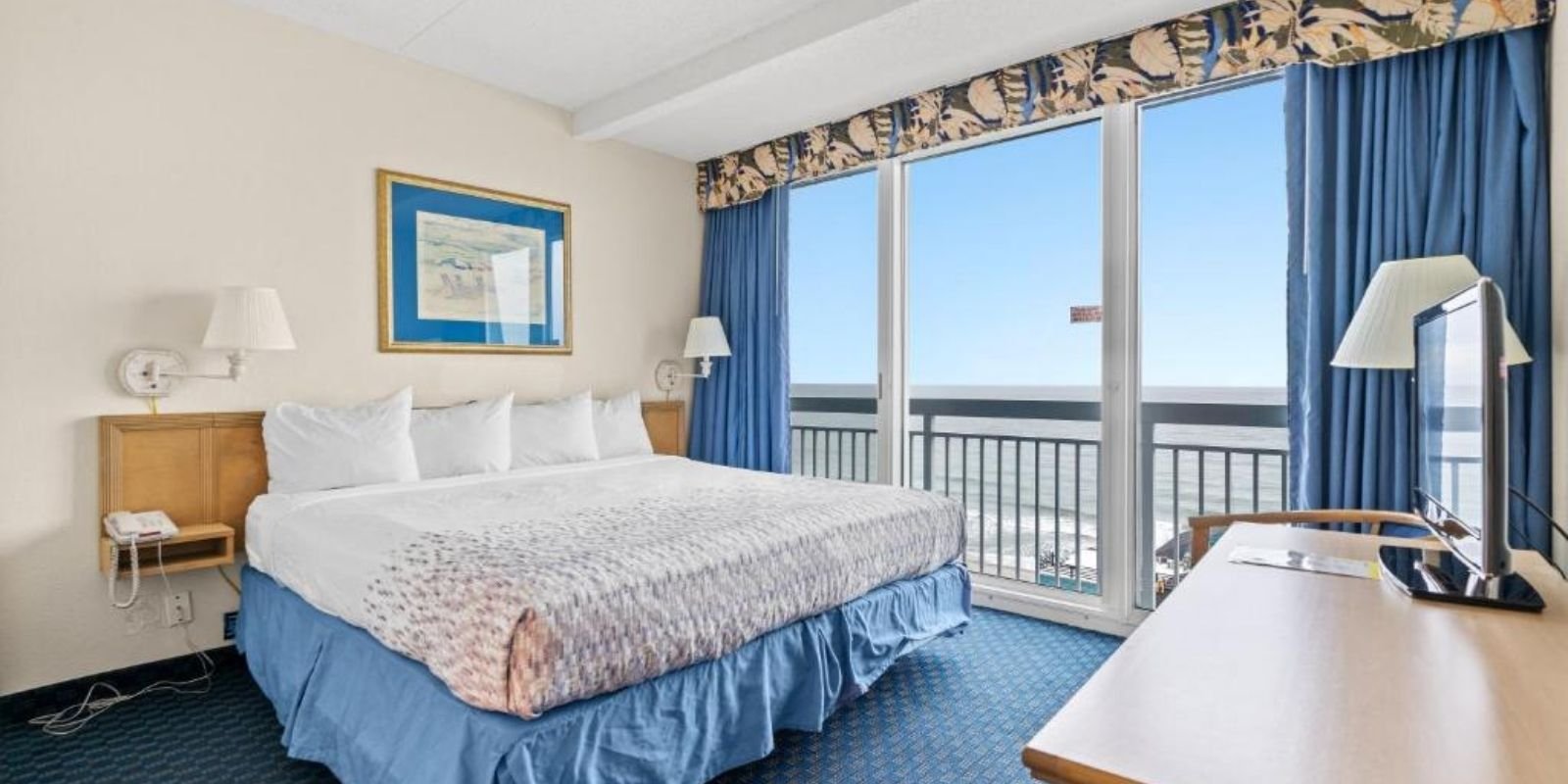
Picture this: value isn’t only in price tags but in moments shaped by where you lay your head. Not merely walls and floors—what matters is how space shapes time. A step closer to water changes everything—not inches, but immersion versus observation. Sunrise seen through glass while sipping warm drinks—that quiet start builds something deeper. Nights wrapped in the sound of the tide under the still ceiling bring a calm distant room’s lack. Distance from shore dulls sensation; proximity sharpens it. Real closeness offers rhythm that budget spots miss entirely.
Finding the Right Rhythm
Start slow if you wake up beside the sea. Let hours stretch without plans tugging at your sleeves. Tours can wait, so can packed itineraries. What matters most shows up when nothing’s planned. Carry something to write in, maybe a novel, along with the quiet wish to disconnect. Start with what you see outside. When hunger shows up, that is time for food. If the shoreline tugs at you, move toward it on foot. As daylight slips, let your gaze follow the colors melt into the ocean.
Out here, near the water, you start feeling like an older, truer version of who you are. This place doesn’t shout—it shows you how calm living can be. Even when everything beyond the beach races forward, the waves keep arriving, slow and sure, one after another. Picking a room facing the sea? That’s not just comfort. It’s choosing quiet on purpose. You’re giving yourself space to drift away from routines, then settle into the hush where land meets water.